
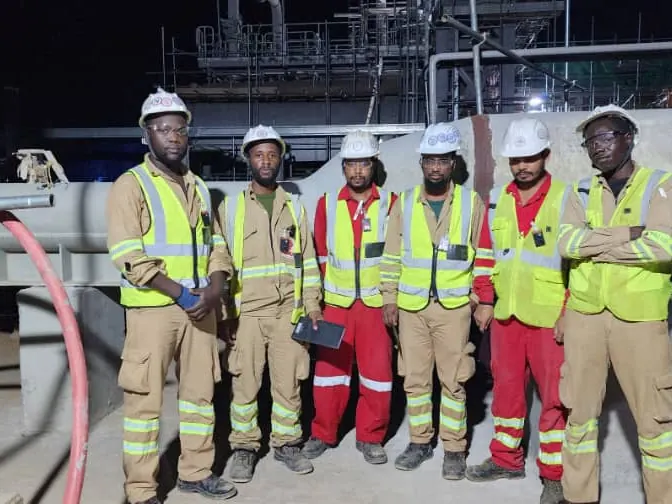
Built for the industries that cannot afford failure.
Sector-specific non-destructive testing and asset integrity work across the industrial base of Uganda, Tanzania and Kenya.
Eight sectors, one standard of evidence.
The method changes with the asset; the reporting does not. Every sector below is worked by the same regional crews to the same codes, so a result from a sugar mill reads the same way as a result from a pipeline spread.
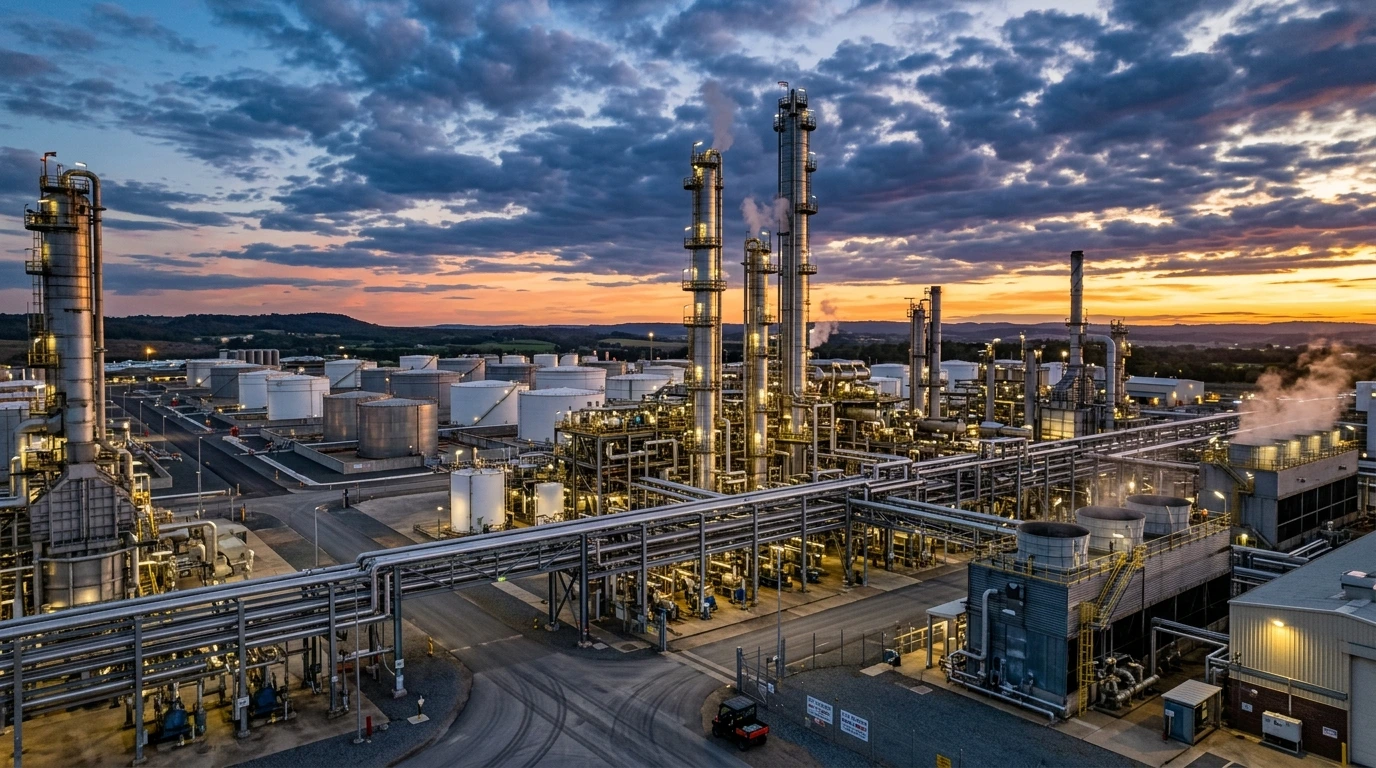
Upstream, midstream and downstream.
Pipelines, storage tanks, refineries and process plant — from cross-country transmission lines through to downstream processing facilities. The largest part of the regional workload, and the sector the African crews are deepest in.
- Pipeline girth welds
- Storage tanks
- Pressure vessels
- Process pipework
- Corrosion monitoring
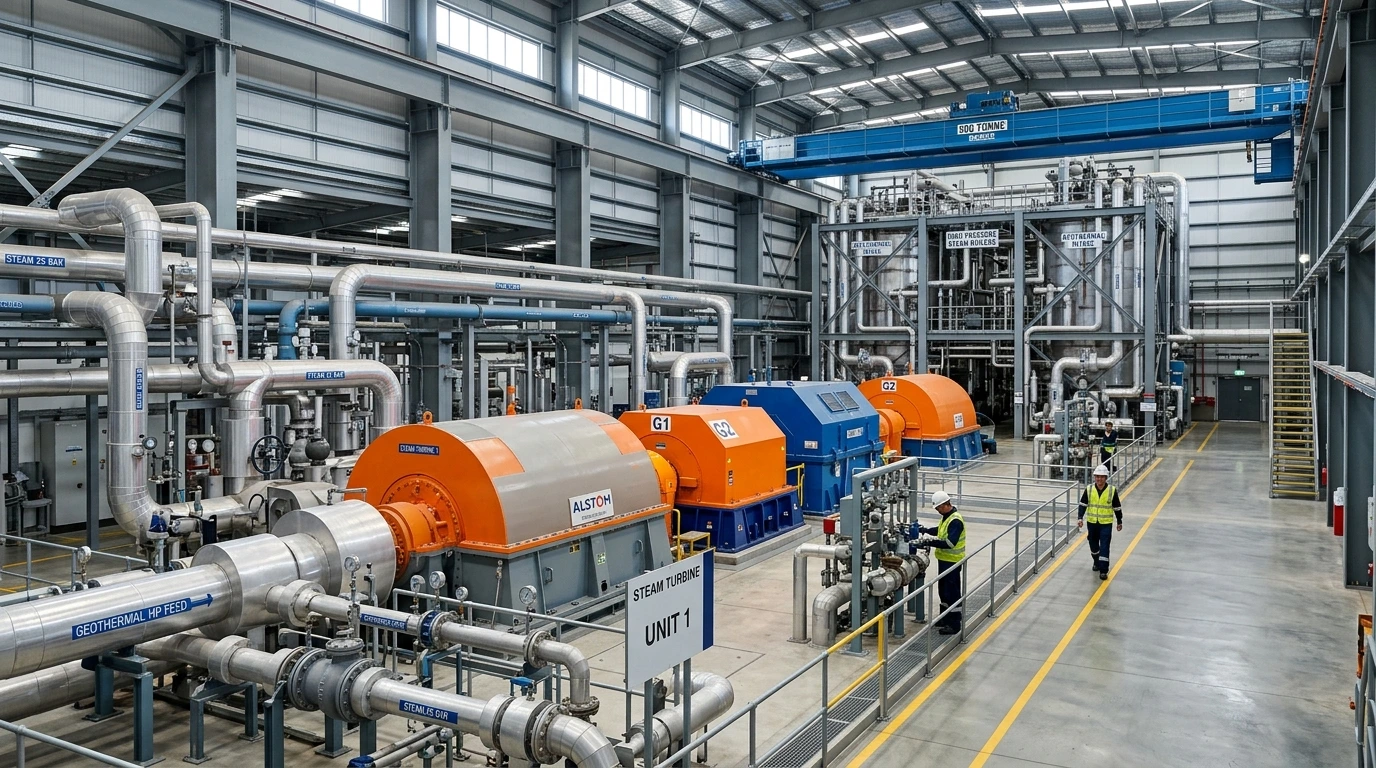
Plant that cannot stay down.
Boilers, turbines, heat exchangers, steam pipework and separator vessels across thermal, hydro, geothermal and renewable facilities. Inspection is scheduled into the outage window, and the window is the constraint.
- Boiler tubes
- Turbines
- Heat exchangers
- Steam pipework
- Separator vessels
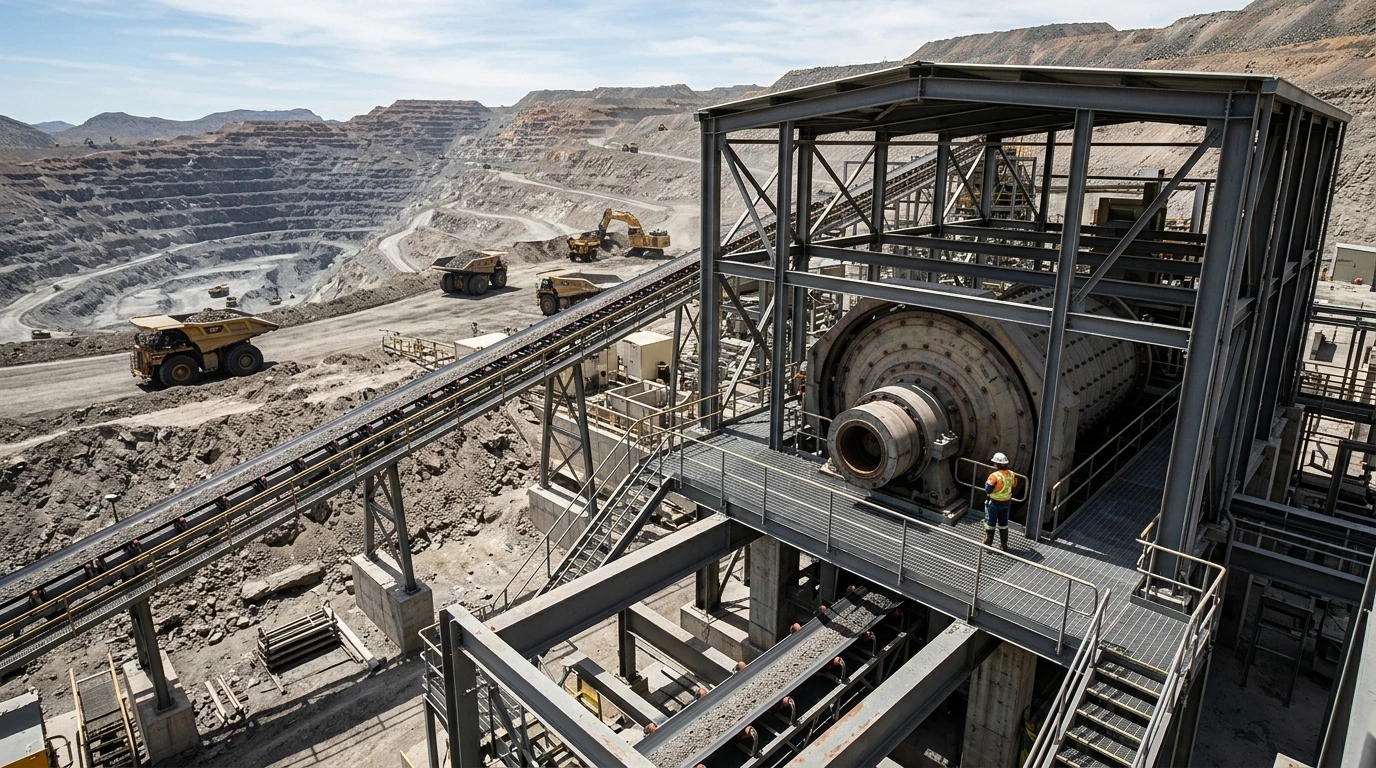
Structures under load, for years.
Structural steelwork, excavators, draglines, crushers, mill trunnions, shaft gantries and material handling equipment. Fatigue cracking in heavy plant is progressive, so the value is in the trend across inspections rather than any single one.
- Structural welds
- Mill trunnions
- Crushers & draglines
- Shaft gantries
- Material handling
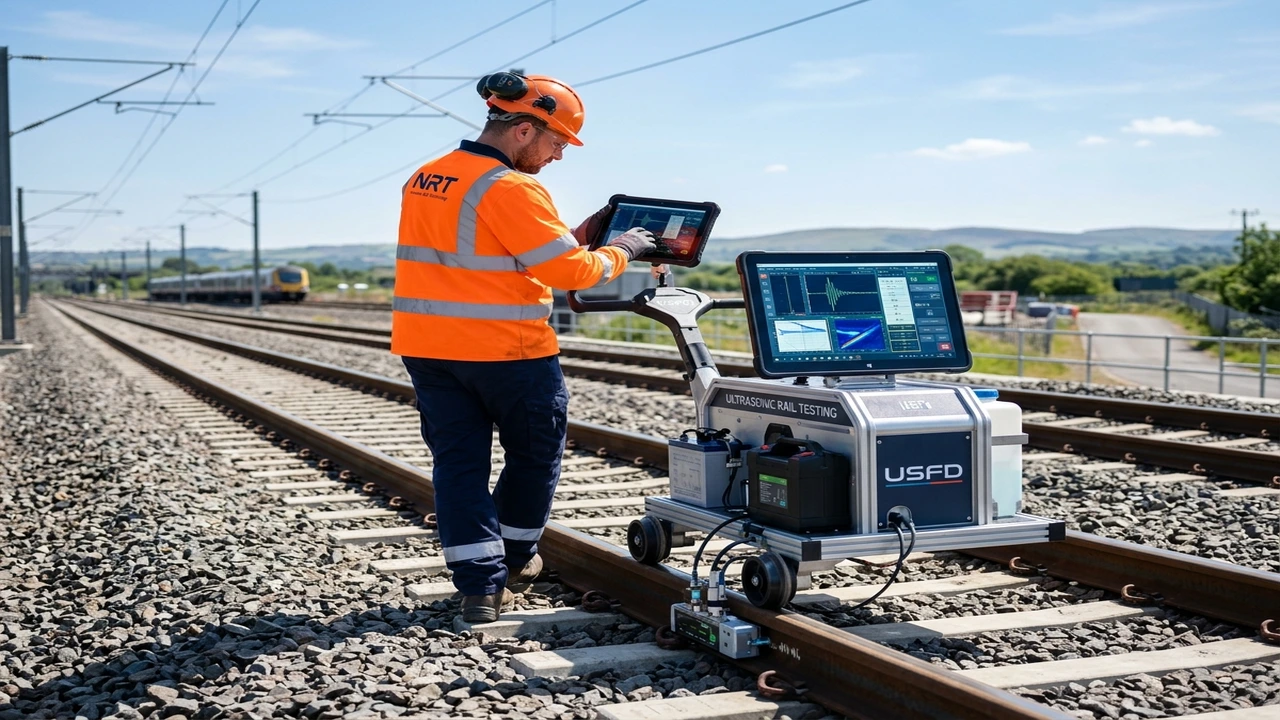
Rail, welds and wheelsets.
Ultrasonic flaw detection on continuous welded rail, thermit weld verification, locomotive axles and rolling stock wheelset integrity.
- USFD on rail
- Thermit weld verification
- Axles
- Wheelsets
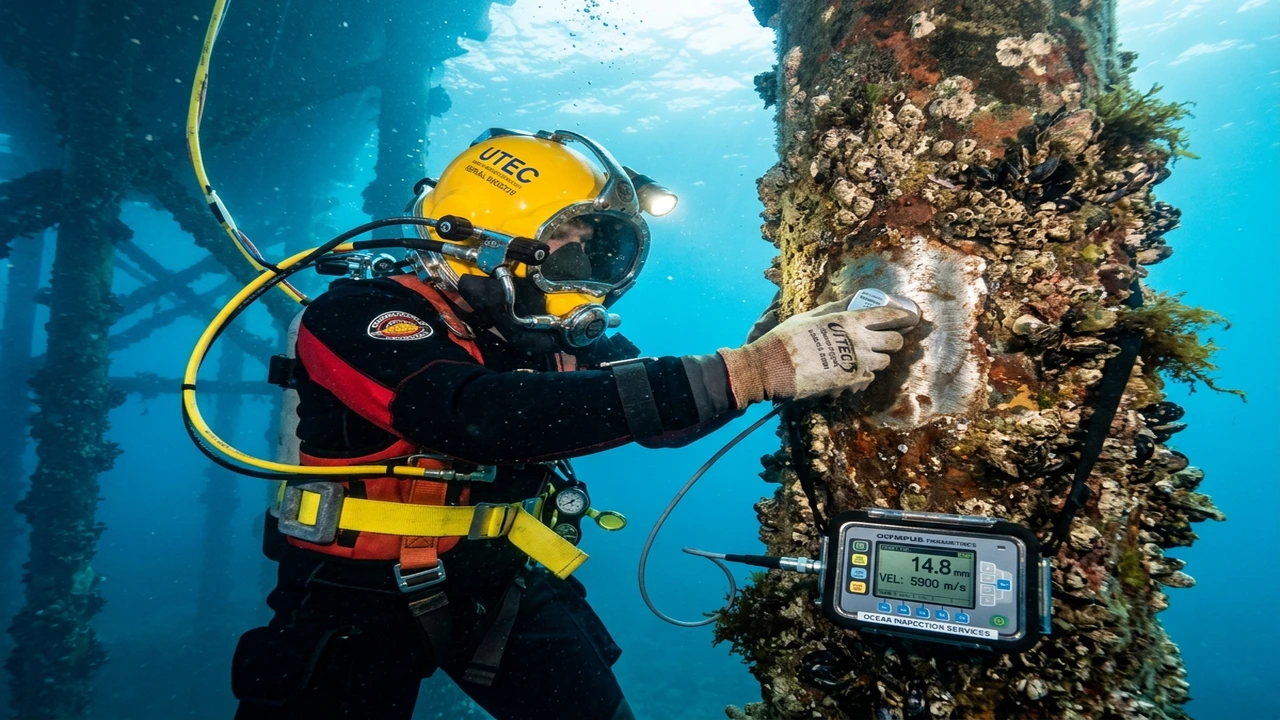
Berths, jetties and hulls.
Port berth jetties, gantry cranes, vessel hulls, mooring bollards and submerged infrastructure, inspected by commercial diving crews where the asset sits below the waterline.
- Jetties & berths
- Gantry cranes
- Vessel hulls
- Submerged structures
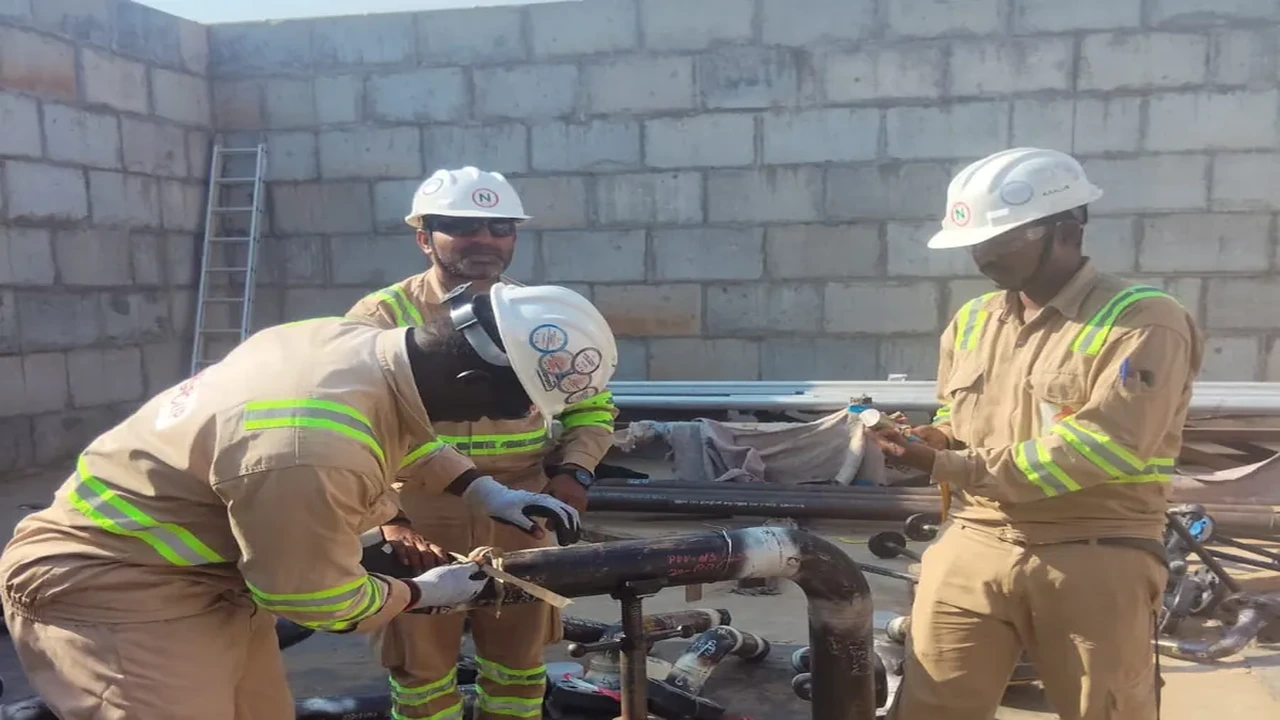
Hygienic systems, same standards.
Stainless steel tanks, pressure vessels, hygienic process pipework, fermentation cellars and steam boilers. Weld quality carries a product-safety consequence here as much as a structural one.
- Stainless tanks
- Hygienic pipework
- Fermentation cellars
- Steam boilers
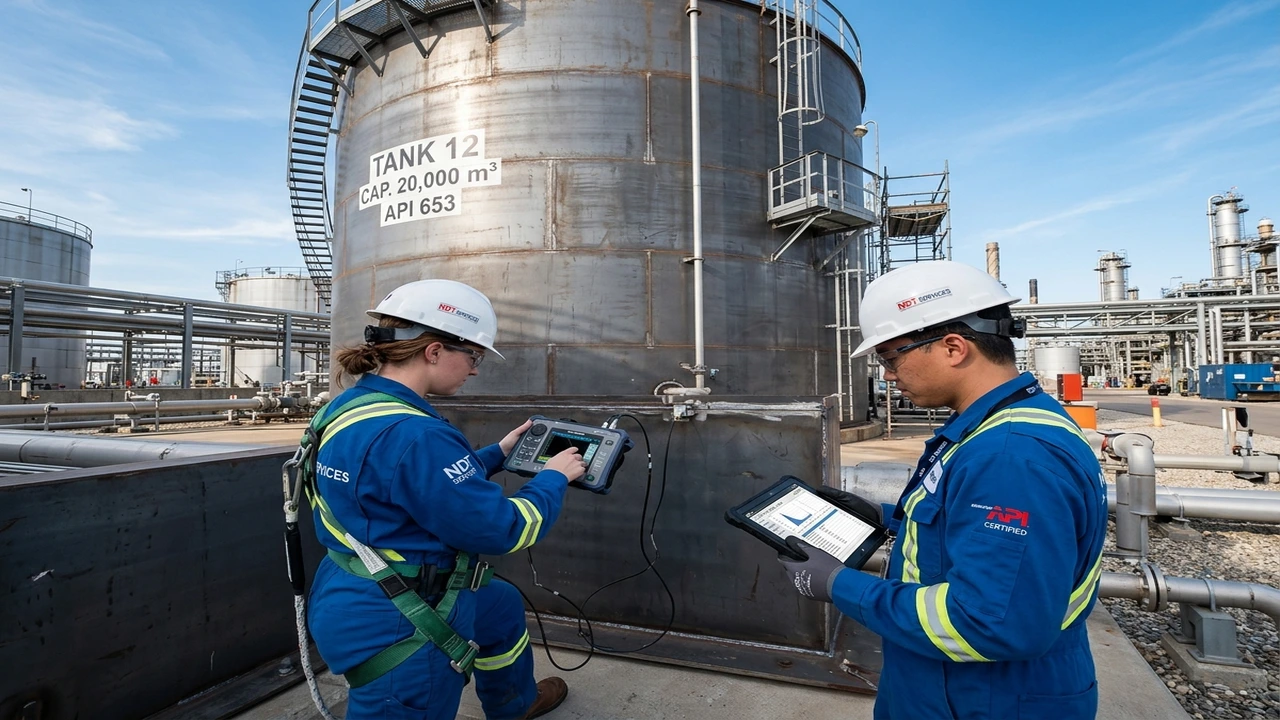
Kilns, on a shutdown clock.
Rotary kilns, ducting, structural supports and cyclone towers, maintained inside tight emergency shutdown windows.
- Rotary kilns
- Ducting
- Structural supports
- Cyclone towers
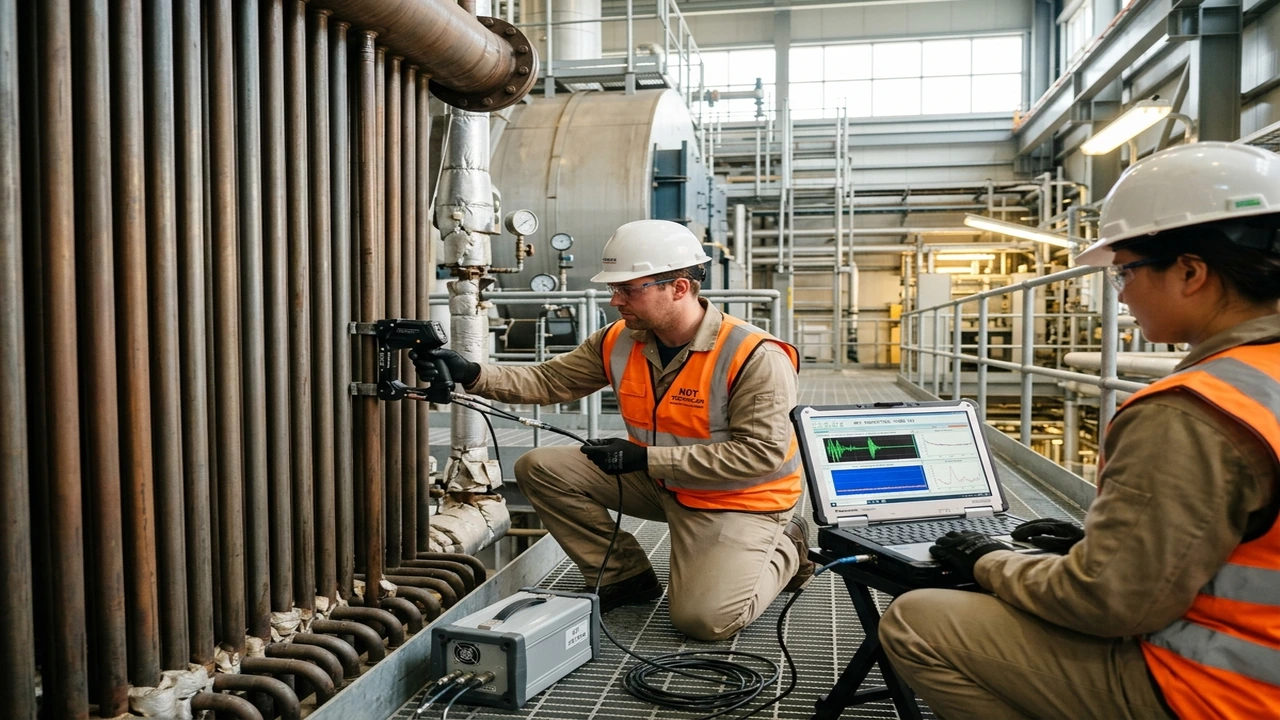
Off-crop, when the mill stops.
Boilers, evaporators, mill structures, crystallizers and pressure equipment, inspected during off-crop maintenance turnarounds.
- Boilers
- Evaporators
- Mill structures
- Crystallizers
Your sector, your shutdown window.
Tell us the asset, the access and the code being worked to. The regional office comes back with a scope and a crew plan against your programme.